Ellite social conduct
Topic: How Do I Behave in Public? Subtopic: My Personal Bubble, My Body, and My Tone In this topic, children learn how to carry themselves safely, respectfully, and confidently in public spaces by understanding their personal space, body behavior, voice tone, and the invisible social signals they send and receive every day. This topic is deeply important because a child’s behavior in public is not just about “manners” — it shapes how safe they feel, how others respond to them, how they build trust, and how successfully they move through school, family settings, social environments, and the wider world. Many children are not intentionally rude, disruptive, or unaware; they simply have not yet been taught how personal space, body language, and tone of voice affect connection, boundaries, and emotional safety. Without this understanding, children can feel confused, embarrassed, rejected, or constantly corrected without truly knowing what they are doing wrong. Using a neuroscience-informed approach, this topic helps children understand how the brain and body respond in social environments. They learn that when the nervous system is overstimulated, excited, anxious, or dysregulated, it can affect how close they stand, how loudly they speak, how fast they move, how their face and body appear to others, and how easily they misread social cues. This helps children understand that public behavior is not only about rules — it is also about body awareness, emotional regulation, and learning how to stay connected to themselves while being aware of the people around them. Children begin to understand the relationship between their thoughts, emotions, body signals, and outward behavior. They learn what a “personal bubble” means, why physical boundaries matter, how body posture and movement can communicate respect or discomfort, and how tone of voice can completely change the meaning of their words. They also learn how excitement, frustration, shyness, silliness, or overwhelm can show up in public without them even realizing it — and how to notice those signals before they create problems. This topic is taught through engaging, age-appropriate experiences such as role play, movement activities, personal space games, voice and tone practice, real-life social scenarios, guided reflection, body awareness exercises, and social cue observation. Children do not just hear instructions — they actively practice how to stand, speak, move, pause, and respond in ways that feel natural, respectful, and confident. This makes the learning much easier to apply in real situations such as classrooms, shops, family gatherings, public transport, waiting areas, social events, and group settings. A powerful part of this topic is that it reduces shame and confusion. Many children are repeatedly told to “behave,” “stop being loud,” “don’t stand so close,” or “watch your tone,” but they are rarely taught what those corrections actually mean in a clear, supportive, body-based way. As a result, they may start to believe they are “bad,” “too much,” “awkward,” or “always getting it wrong.” In this work, children learn that these are teachable skills — not personal flaws. This creates emotional safety, stronger self-awareness, and much more confidence in social settings. Importantly, this is not just etiquette advice. Children are given brain-based training that helps them regulate their nervous system in public spaces so they can make better choices in real time. They learn how to notice when their body is becoming too activated, too restless, too loud, too reactive, or too shut down — and how to reset before that turns into impulsive behavior, social conflict, or embarrassment. Through simple regulation practices, pause-and-check techniques, breath-body awareness, and sensory grounding, they build the internal control needed to manage themselves with more ease. Children also leave with practical tools they can use immediately: how to check their personal space, how to read if someone needs more distance, how to adjust their volume and tone, how to use calming self-talk before entering busy places, how to keep their body steady when excited or anxious, how to repair a social moment if they make a mistake, and how to hold boundaries respectfully with others too. These tools support not only better public behavior, but also stronger confidence, safer interactions, healthier friendships, and a more mature social presence. By the end of this topic, children develop greater body awareness, emotional control, and social confidence in public spaces. They learn how to respect their own boundaries and the boundaries of others, communicate with a calmer and more appropriate tone, and move through the world in a way that feels safe, confident, and emotionally intelligent. This is not just about teaching children how to “act properly” — it is about helping them build the self-awareness, regulation, and social maturity that protect them in every environment they enter.
Tags
Instructors
View AllChapters
6 Chapters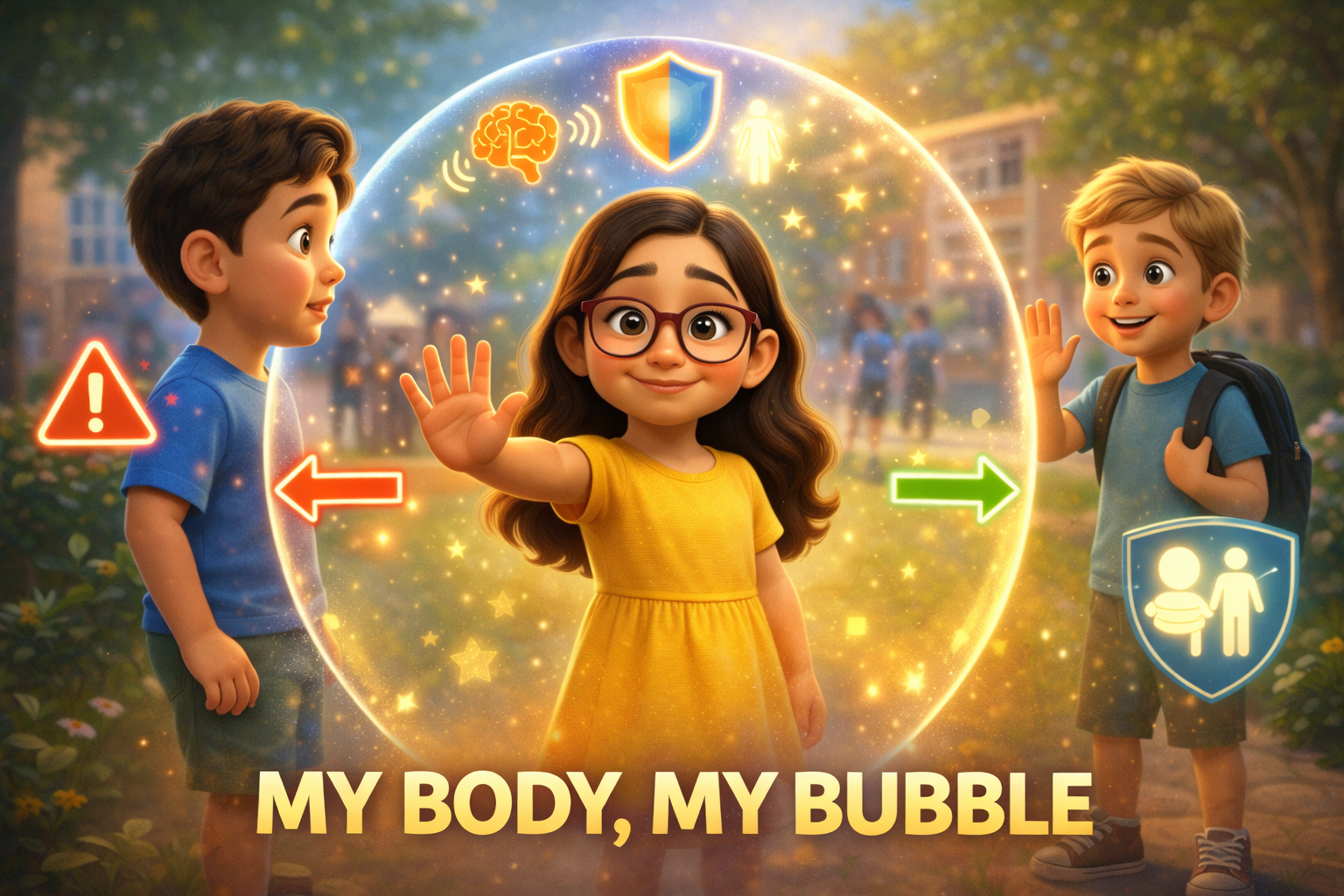
My Personal Bubble
Do you feel uncomfortable when someone stands too close to you?
Have yo...
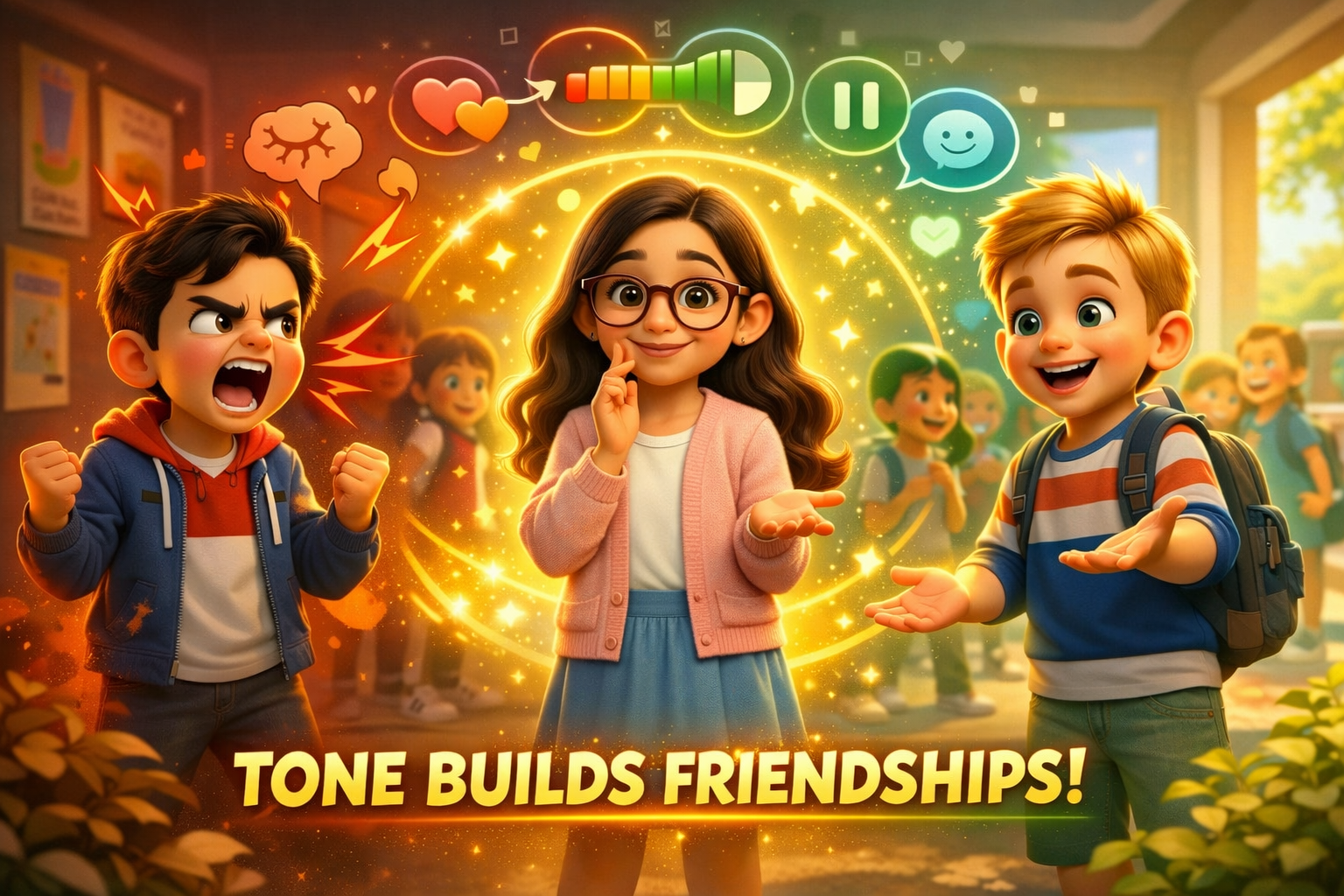
My Body My Tone
Do people understand how you're feeling even when you don't say a word?
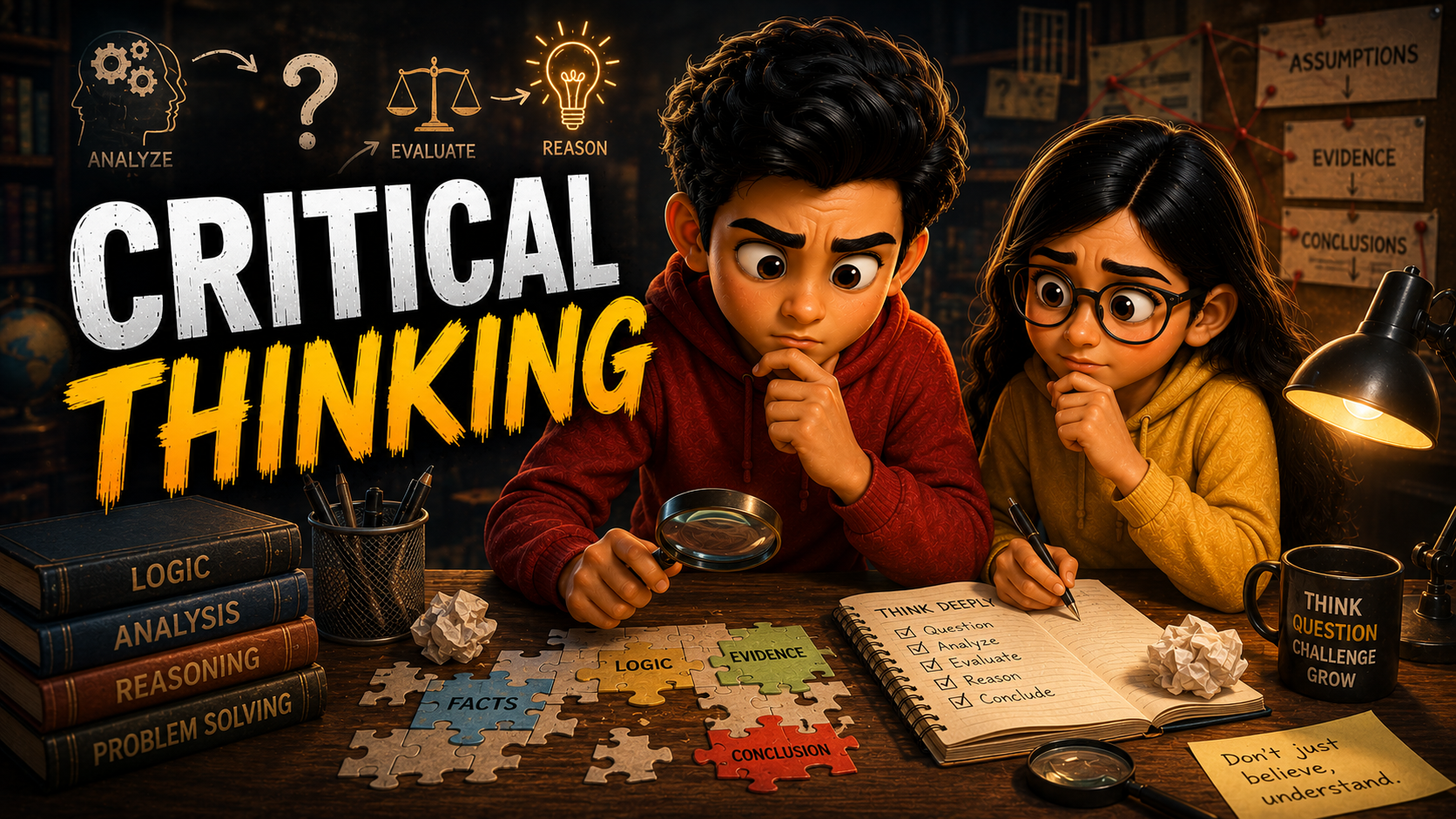
Confidence — My Body & Presence
Do you feel nervous when speaking in front of others?
Do you sometimes...
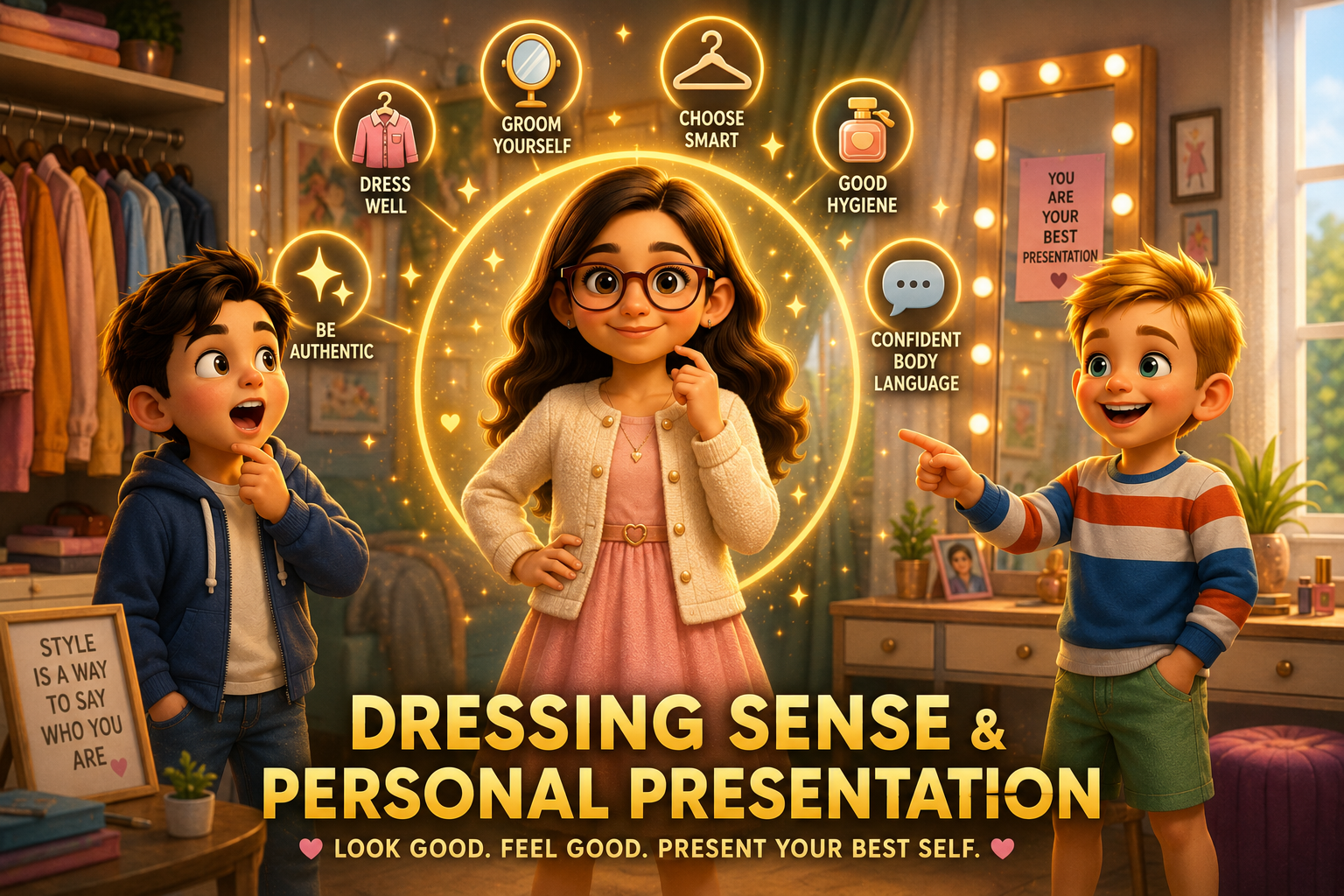
Dressing Sense & Personal Presentation
Do you ever wonder why some people always look neat and well-prepared?
...
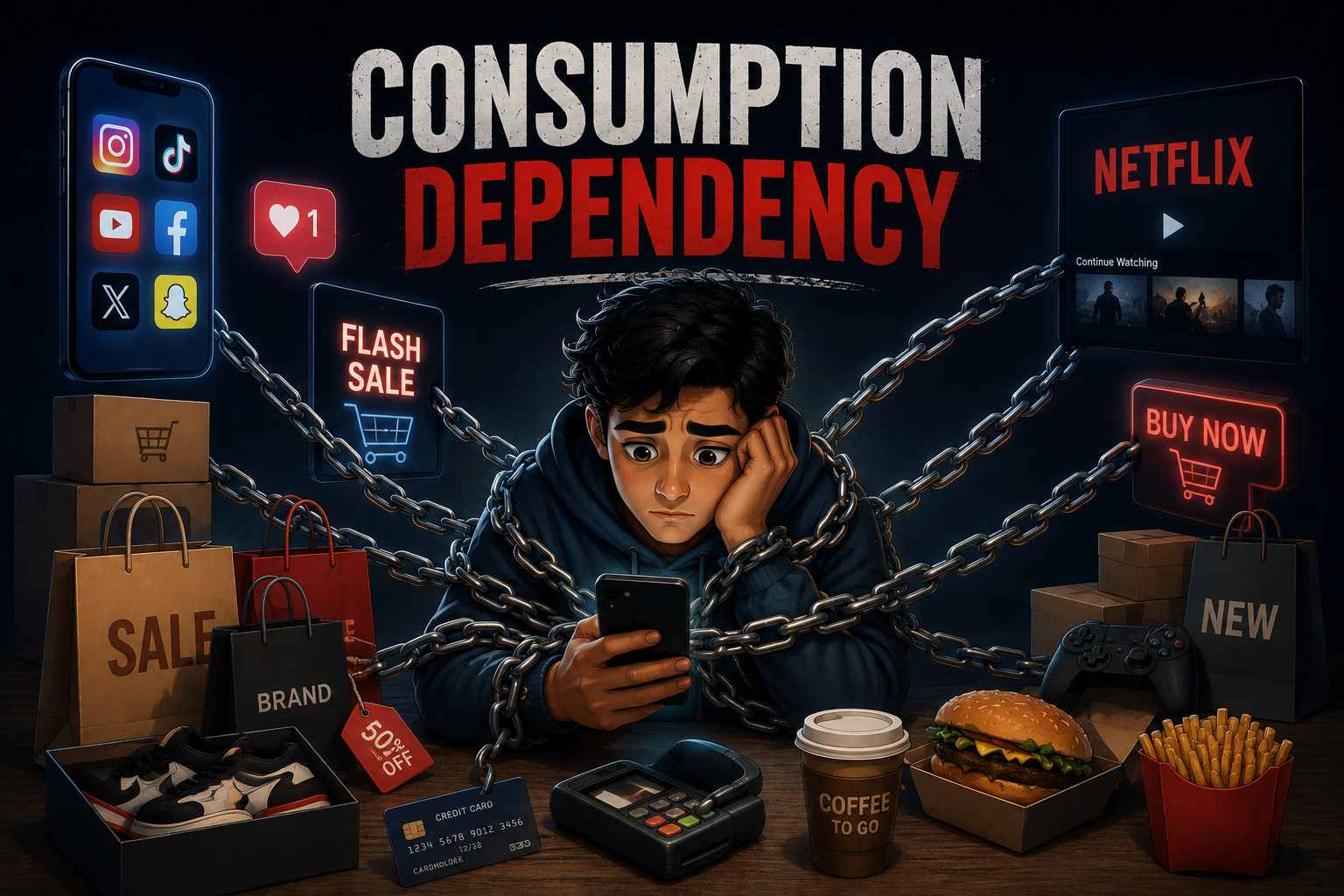
Table Etiquettes & Social Manners
Do you know what to do when eating at a restaurant or a special event?
...
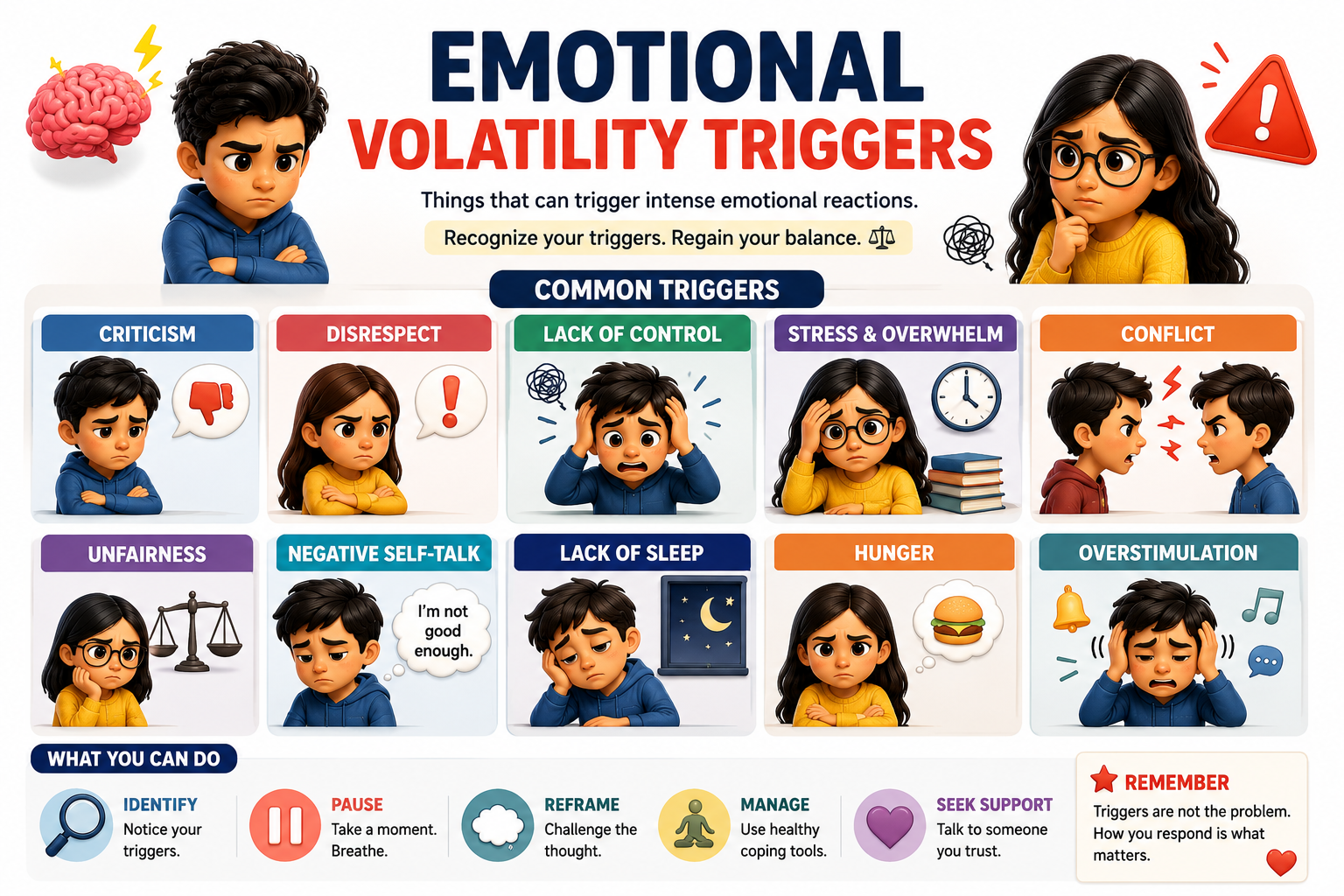
Upgraded Language Skills
Do you sometimes know the answer but struggle to explain it clearly?
Ha...
Enroll in Ellite social conduct
Get full access to live lectures, chapter notes, and expert instructors.