Nutritional Neuroscience & Diet
-Nutrition Neuroscience & Biological Optimisation Lab In this topic, children learn how food, chemicals, marketing, packaging, and environmental exposure can quietly shape not only their physical health, but also their mood, focus, behavior, cravings, emotional regulation, and decision-making. This topic is deeply important because many children are affected by things they do not yet know how to recognize — hidden additives, overstimulating food systems, engineered cravings, misleading “healthy” messaging, environmental toxins, and sensory manipulation designed to influence what they want, how they feel, and how they behave. Without this awareness, children can begin to blame themselves for mood swings, impulsivity, low energy, irritability, poor concentration, emotional crashes, or constant cravings, when in reality their brain and body may be responding to inputs that are working against them. Using a neuroscience-informed and biologically grounded approach, this topic helps children understand how the brain, gut, nervous system, hormones, and sensory pathways respond to what they eat and what surrounds them. They learn that food is not just about hunger — it affects focus, emotional steadiness, sleep, stress tolerance, energy, impulse control, and even how safe or overwhelmed the body feels. Children are also gently introduced to the idea that many products are intentionally designed to drive attention, cravings, repeat consumption, and emotional dependency, helping them understand how “engineered perception” can shape choices beyond what appears on an ingredient label. Children begin to understand the connection between what enters the body and what happens in the mind. They learn how certain foods, additives, sensory overload, and environmental exposures can influence thoughts, emotions, body sensations, and behavior. This helps them make sense of why they may sometimes feel foggy, restless, reactive, drained, overexcited, or emotionally dysregulated after certain foods, environments, or routines. Most importantly, they learn to observe these patterns with curiosity instead of shame. This topic is taught through interactive, age-appropriate experiences such as label exploration, food pattern observation, sensory awareness activities, body signal tracking, role play, guided discussions, real-life scenarios, reflective exercises, and simple “detective-style” learning that helps children notice what their brain and body are telling them. Rather than creating fear around food or perfectionism around health, the goal is to help children become calm, informed, and empowered observers of what supports them and what depletes them. A key strength of this topic is that it reduces confusion, self-blame, and emotional shame. Many children assume they are “bad,” “out of control,” “too emotional,” or “not trying hard enough” when they struggle with cravings, meltdowns, low focus, irritability, or inconsistent energy. In this work, they learn that many of these patterns can be influenced by nervous system stress, blood sugar instability, overstimulation, inflammatory inputs, sleep disruption, or reward-driven food design — not personal weakness. This understanding creates relief, self-trust, and a much healthier relationship with both food and self-regulation. Importantly, this is not just nutrition advice. Children are given brain-based training to help them regulate their nervous system and make better choices from a calm, connected state rather than from stress, urgency, or sensory hijack. They practice recognizing body cues, slowing impulsive reactions, pausing before automatic consumption, and learning how to feel the difference between true nourishment, stimulation, comfort-seeking, and environmental influence. This helps build real internal control — not rigid restriction. Children also leave with practical tools they can use in everyday life: simple ways to notice how foods and environments affect their mood and energy, calming strategies before impulsive eating or reactive behavior, healthy self-talk around cravings and choices, gentle boundaries around overstimulating products and habits, stronger awareness of labels and marketing cues, and routines that support steadier energy, better focus, and emotional balance. These tools help children become more resilient, more self-aware, and more capable of making choices that protect both their body and their emotional wellbeing. By the end of this topic, children develop a more intelligent, calm, and empowered relationship with food, their environment, and their own body signals. They become better able to recognize what truly supports their brain and nervous system, resist hidden influences that disrupt regulation, and make choices that strengthen focus, emotional stability, and long-term wellbeing. This is not just about healthier habits — it is about helping children build the biological and emotional foundation they need to feel clear, steady, and strong in a world full of invisible pressures. Nutrition Neuroscience & Biological Optimisation Lab In this topic, children learn how food, chemicals, marketing, packaging, and environmental exposure can quietly shape not only their physical health, but also their mood, focus, behavior, cravings, emotional regulation, and decision-making. This topic is deeply important because many children are affected by things they do not yet know how to recognize — hidden additives, overstimulating food systems, engineered cravings, misleading “healthy” messaging, environmental toxins, and sensory manipulation designed to influence what they want, how they feel, and how they behave. Without this awareness, children can begin to blame themselves for mood swings, impulsivity, low energy, irritability, poor concentration, emotional crashes, or constant cravings, when in reality their brain and body may be responding to inputs that are working against them. Using a neuroscience-informed and biologically grounded approach, this topic helps children understand how the brain, gut, nervous system, hormones, and sensory pathways respond to what they eat and what surrounds them. They learn that food is not just about hunger — it affects focus, emotional steadiness, sleep, stress tolerance, energy, impulse control, and even how safe or overwhelmed the body feels. Children are also gently introduced to the idea that many products are intentionally designed to drive attention, cravings, repeat consumption, and emotional dependency, helping them understand how “engineered perception” can shape choices beyond what appears on an ingredient label. Children begin to understand the connection between what enters the body and what happens in the mind. They learn how certain foods, additives, sensory overload, and environmental exposures can influence thoughts, emotions, body sensations, and behavior. This helps them make sense of why they may sometimes feel foggy, restless, reactive, drained, overexcited, or emotionally dysregulated after certain foods, environments, or routines. Most importantly, they learn to observe these patterns with curiosity instead of shame. This topic is taught through interactive, age-appropriate experiences such as label exploration, food pattern observation, sensory awareness activities, body signal tracking, role play, guided discussions, real-life scenarios, reflective exercises, and simple “detective-style” learning that helps children notice what their brain and body are telling them. Rather than creating fear around food or perfectionism around health, the goal is to help children become calm, informed, and empowered observers of what supports them and what depletes them. A key strength of this topic is that it reduces confusion, self-blame, and emotional shame. Many children assume they are “bad,” “out of control,” “too emotional,” or “not trying hard enough” when they struggle with cravings, meltdowns, low focus, irritability, or inconsistent energy. In this work, they learn that many of these patterns can be influenced by nervous system stress, blood sugar instability, overstimulation, inflammatory inputs, sleep disruption, or reward-driven food design — not personal weakness. This understanding creates relief, self-trust, and a much healthier relationship with both food and self-regulation. Importantly, this is not just nutrition advice. Children are given brain-based training to help them regulate their nervous system and make better choices from a calm, connected state rather than from stress, urgency, or sensory hijack. They practice recognizing body cues, slowing impulsive reactions, pausing before automatic consumption, and learning how to feel the difference between true nourishment, stimulation, comfort-seeking, and environmental influence. This helps build real internal control — not rigid restriction. Children also leave with practical tools they can use in everyday life: simple ways to notice how foods and environments affect their mood and energy, calming strategies before impulsive eating or reactive behavior, healthy self-talk around cravings and choices, gentle boundaries around overstimulating products and habits, stronger awareness of labels and marketing cues, and routines that support steadier energy, better focus, and emotional balance. These tools help children become more resilient, more self-aware, and more capable of making choices that protect both their body and their emotional wellbeing. By the end of this topic, children develop a more intelligent, calm, and empowered relationship with food, their environment, and their own body signals. They become better able to recognize what truly supports their brain and nervous system, resist hidden influences that disrupt regulation, and make choices that strengthen focus, emotional stability, and long-term wellbeing. This is not just about healthier habits — it is about helping children build the biological and emotional foundation they need to feel clear, steady, and strong in a world full of invisible pressures.
Tags
Instructors
View AllChapters
5 Chapters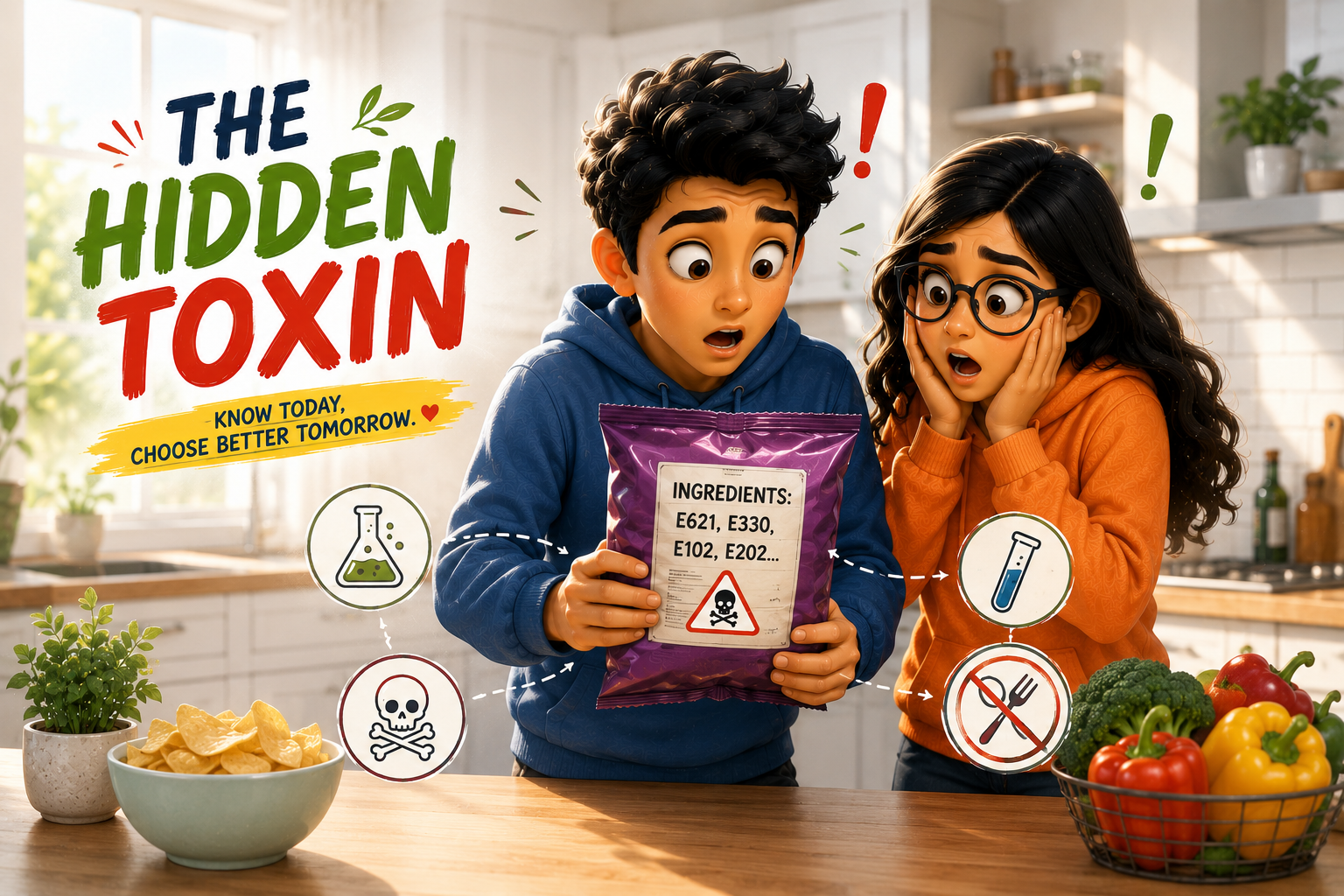
Kithen first pharmacy or first problem
Do you often feel tired even after eating?
Do you choose chips, chocola...
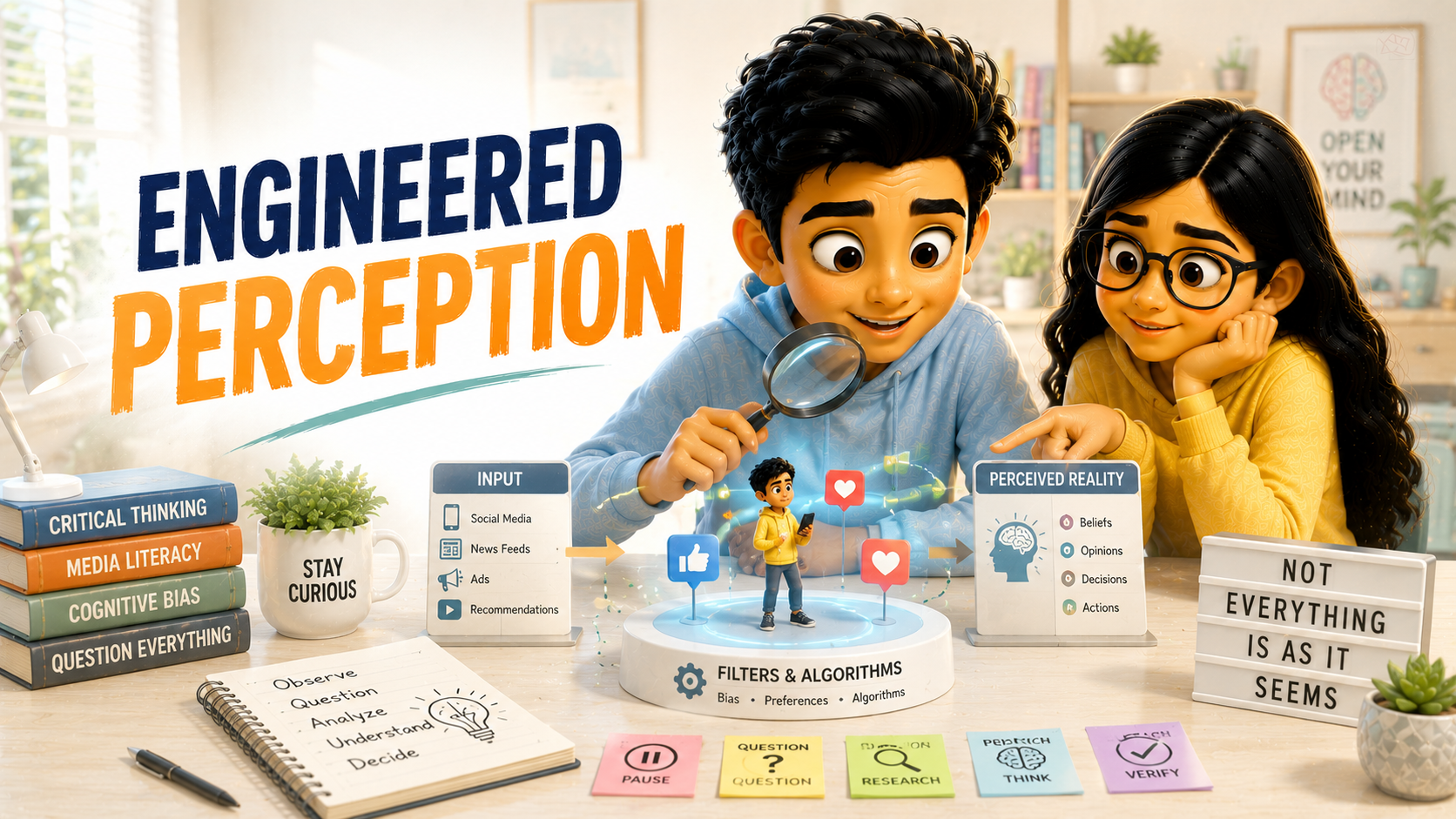
Engineering Perception
Do advertisements ever make you want something you didn't need before?
...
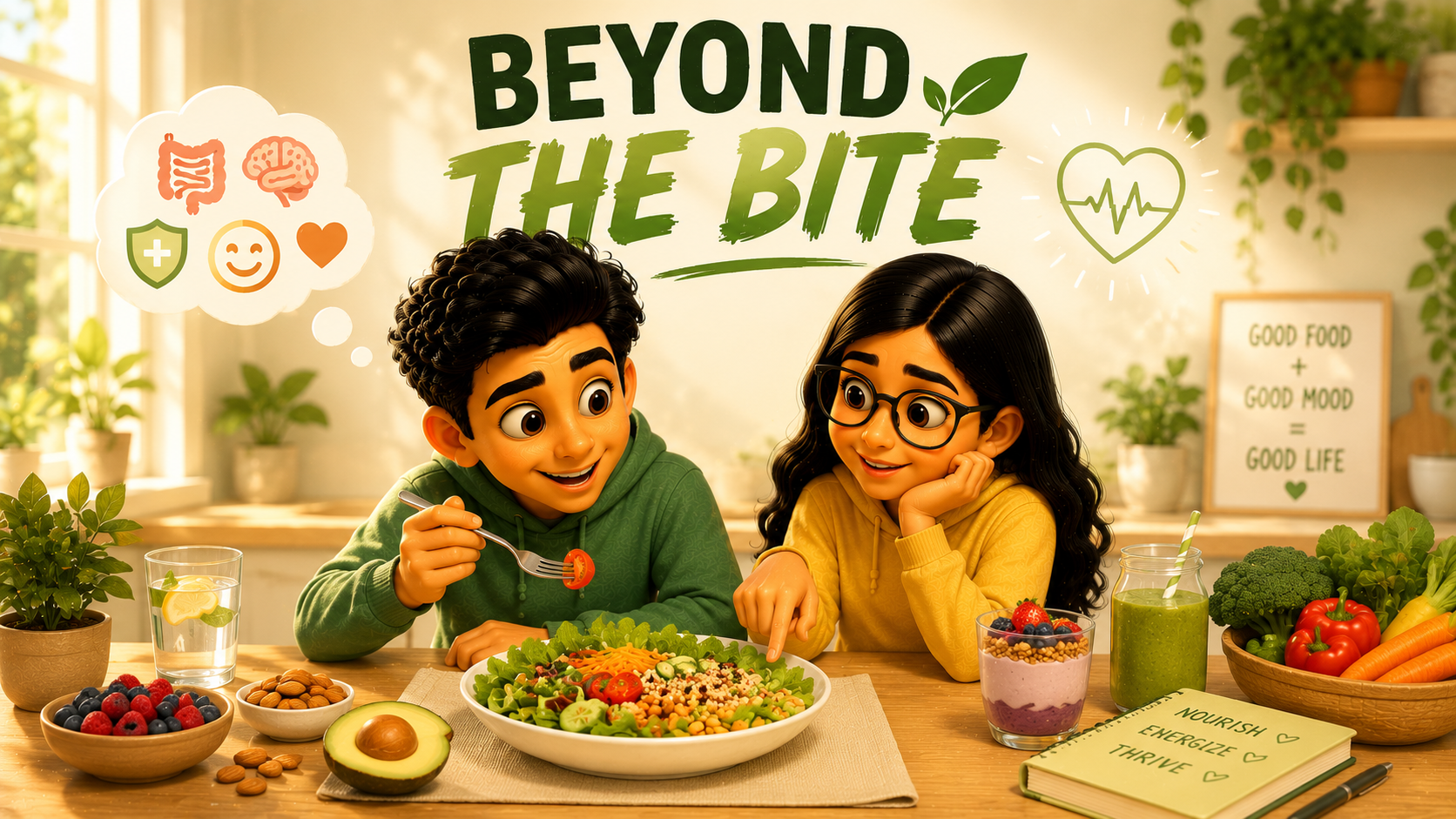
Beyond the Bite
Do you ever feel sleepy or tired during class?
Do some foods make you f...
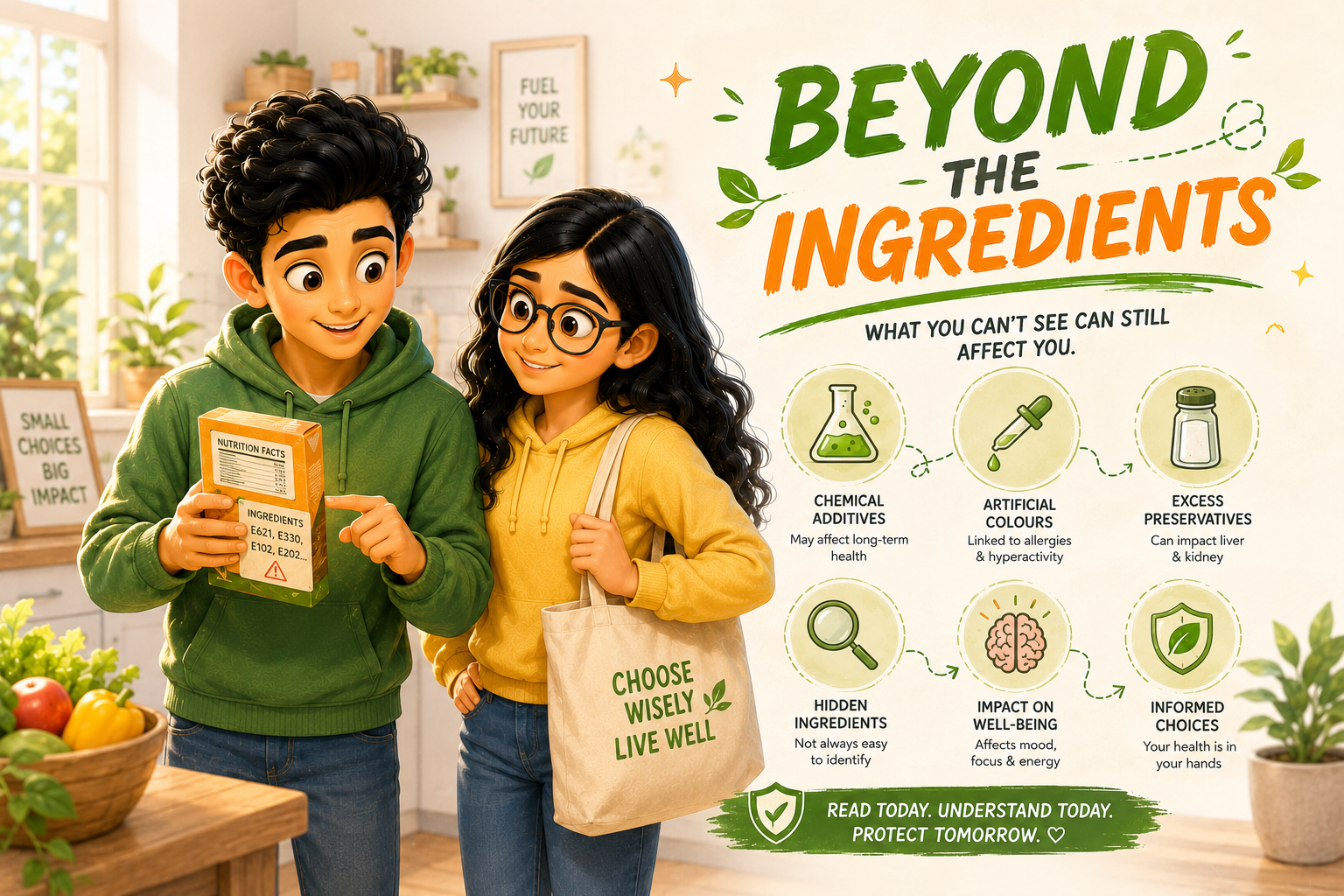
Beyond the Ingredients
Do you know what is really inside the foods you eat every day?
Have you...
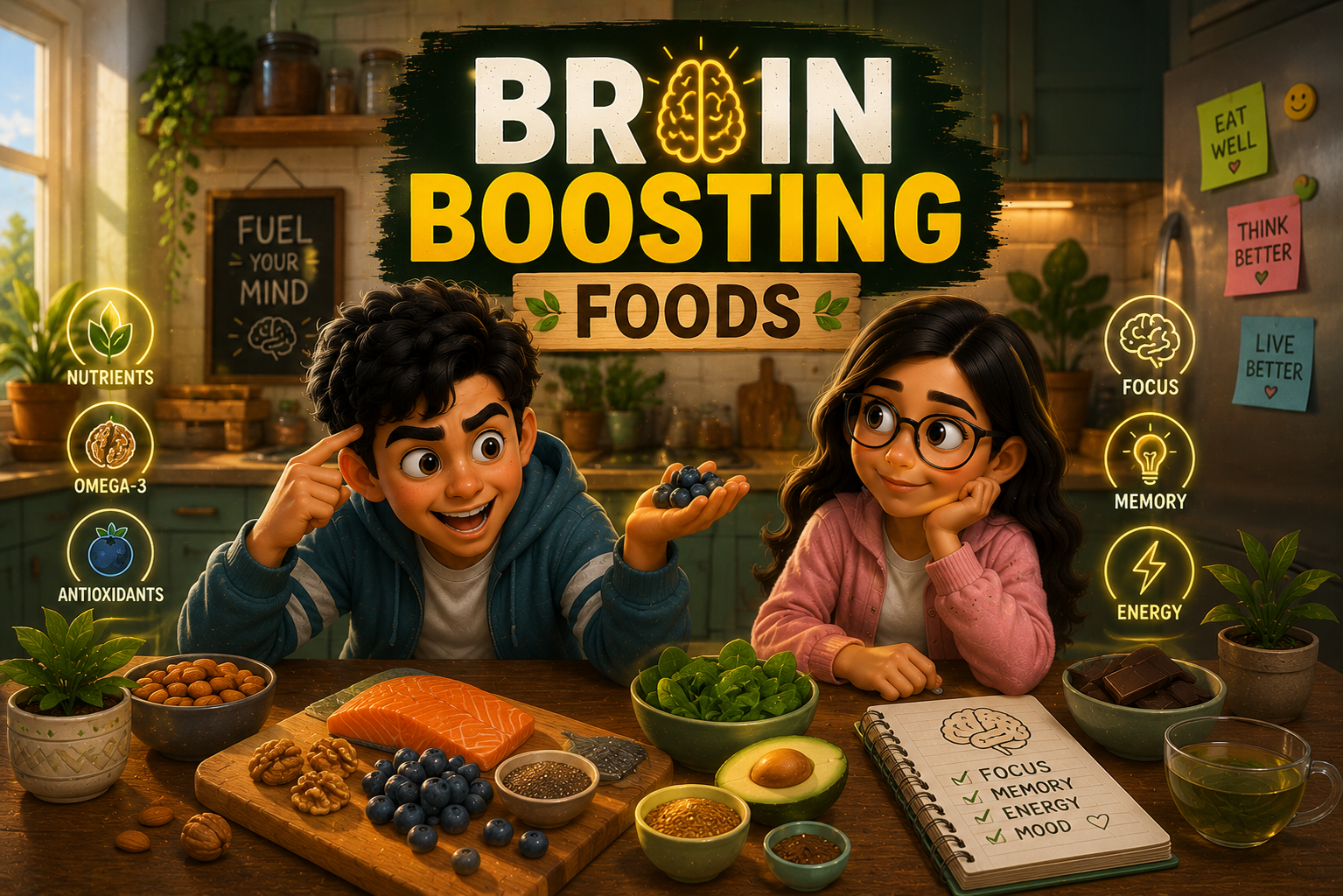
Brain Boosting Foods
Do you sometimes find it hard to focus in class?
Do you feel tired befo...
Enroll in Nutritional Neuroscience & Diet
Get full access to live lectures, chapter notes, and expert instructors.