Self-Mastery & Life Economics
Topic:Self mastery and life economics In this topic, children learn one of the most life-shaping emotional skills of all: how to understand value, make wise choices, regulate their impulses, and build a healthy relationship with reward, success, and self-control. This topic is essential because many children are not struggling due to lack of intelligence — they are struggling because they do not yet know how to judge what is truly worth their energy, attention, emotions, and actions. Without this foundation, children can become easily pulled toward short-term pleasure, impulsive decisions, external validation, or unhealthy reward-seeking patterns that quietly affect confidence, discipline, motivation, and long-term wellbeing. Using a neuroscience-informed approach, this topic helps children understand how the brain and body respond to reward, temptation, frustration, achievement, and overstimulation. They begin to see how dopamine-driven patterns can influence behavior, why immediate rewards often feel stronger than meaningful long-term goals, and how the nervous system can become dysregulated when the reward system gets “hijacked” by habits, pressure, or constant stimulation. This gives children a clear, age-appropriate understanding of why they sometimes repeat behaviors they later regret — and why that does not mean something is wrong with them. Children are gently guided to understand the connection between their thoughts, emotions, body signals, choices, and consequences. They learn how to recognize what they are “coding as valuable” internally — whether that is approval, comfort, attention, pleasure, achievement, or avoidance — and how that internal coding shapes their decisions. They also begin to understand the difference between real worth and temporary reward, between healthy success and the kind of success that can create pressure, numbness, comparison, or emotional shutdown. This topic is taught through highly engaging and developmentally appropriate methods including guided activities, real-life scenarios, role play, reflection exercises, emotional mapping, consequence-based decision practice, and practical discussions that help children apply these lessons to school, friendships, routines, habits, screen use, achievement, and everyday choices. Rather than simply telling children what is “right” or “wrong,” we help them experience how choices are formed, how patterns get reinforced, and how to pause before reacting. A core strength of this topic is that it reduces shame, confusion, and self-blame. Many children silently believe they are “lazy,” “bad,” “weak,” or “not disciplined enough” when they struggle with impulses, reward-seeking, or inconsistency. In this work, they learn that many of these struggles are rooted in nervous system patterns, emotional learning, and brain-based reward loops — not character failure. This shift creates relief, self-awareness, and a much stronger foundation for lasting change. Importantly, this is not just motivational advice. Children are trained in brain-based self-regulation skills that help them work with their nervous system, not against it. They learn how to slow impulsive reactions, tolerate discomfort, recover from overstimulation, and stay emotionally steady when rewards are delayed or when success brings pressure instead of satisfaction. Through regulation practices, body-based calming strategies, pause-and-choose techniques, and emotional reset tools, they build the internal capacity required for real self-mastery. Children also leave with practical tools they can use in daily life: calming strategies for urges and frustration, healthy self-talk when they feel pulled toward short-term rewards, ways to assess whether something is truly worth their time or energy, strategies for making better decisions under pressure, tools for owning actions without collapsing into shame, and clear boundaries around habits, distractions, and external influences. These are skills that support stronger discipline, healthier motivation, better emotional control, and more thoughtful behavior across home, school, and social environments. By the end of this topic, children develop a deeper sense of self-command, emotional maturity, and internal clarity. They become better able to judge what truly matters, manage impulses, handle success without losing themselves, and make choices that protect both their peace and their future. This is not just about behavior improvement — it is about building the emotional and neurological foundation for resilience, wisdom, and lifelong self-leadership.
Tags
Instructors
View AllChapters
7 Chapters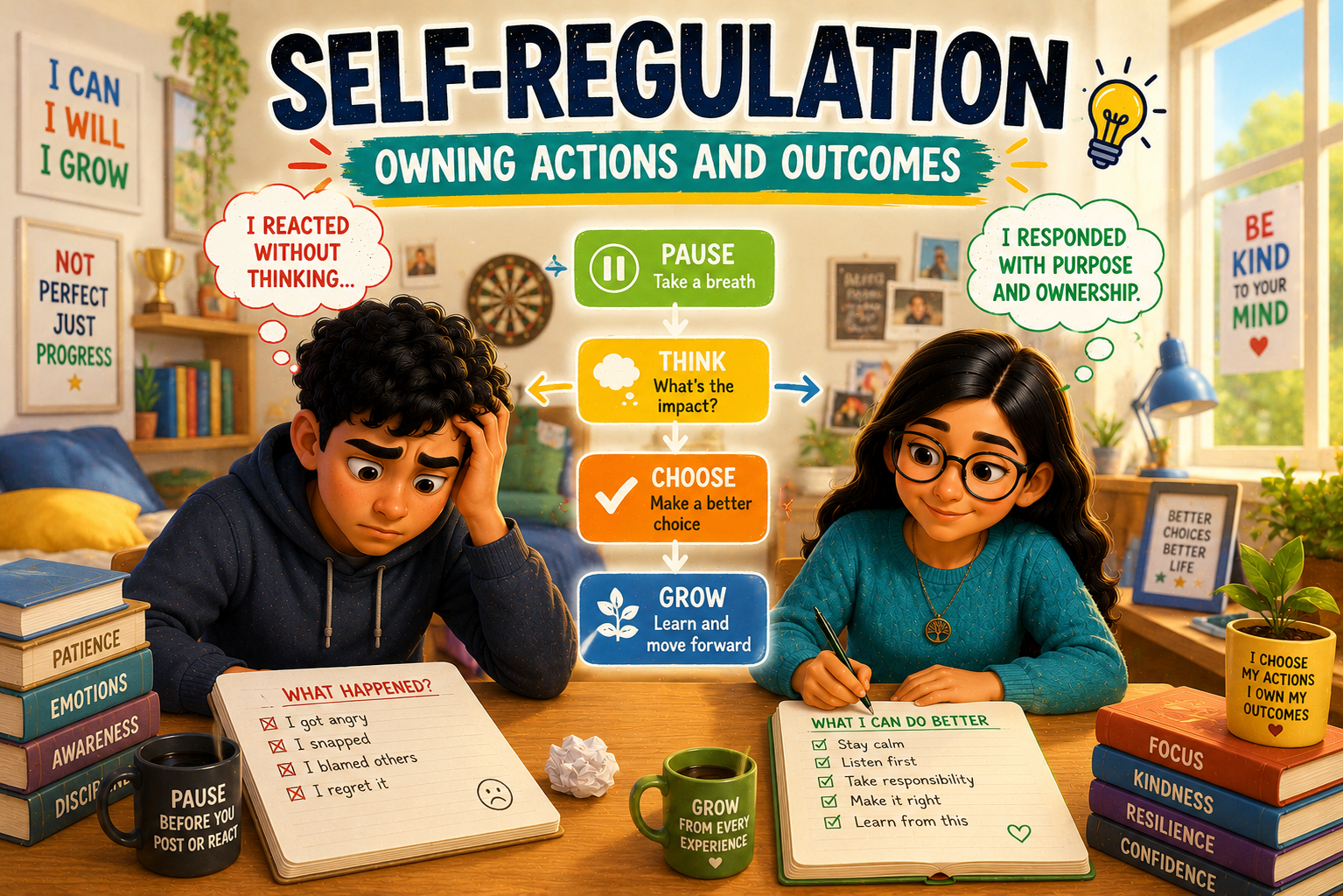
Self-Regulation — Owning Actions and Outcomes
Do you blame others when things don't go as planned?
Do you find it dif...

Value Encoding — Judging Worth and Consequence
Do you sometimes choose what feels fun now without thinking about what happen...
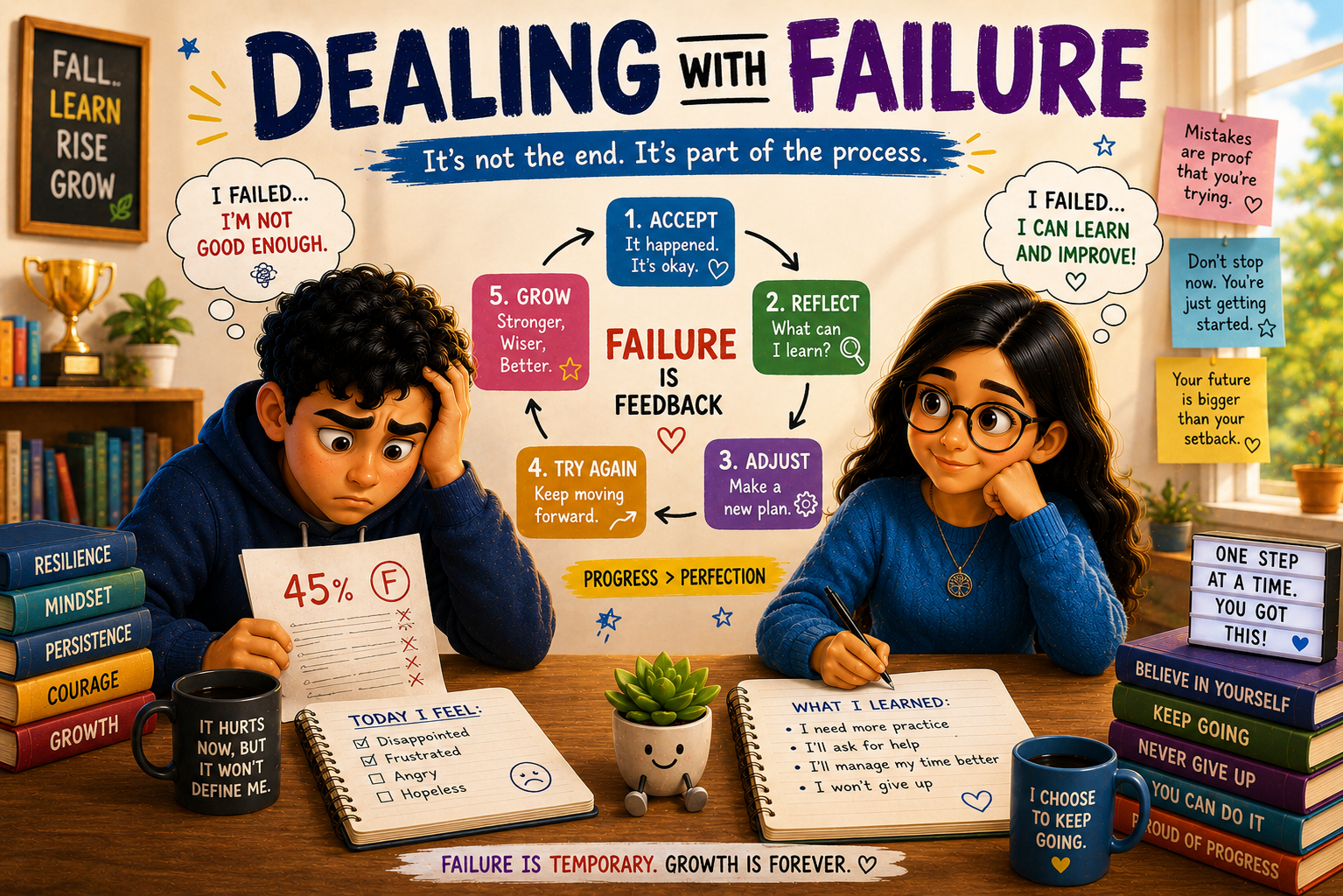
Dealing with Failure
Do you feel upset when you don't win or get the result you wanted?
Have...
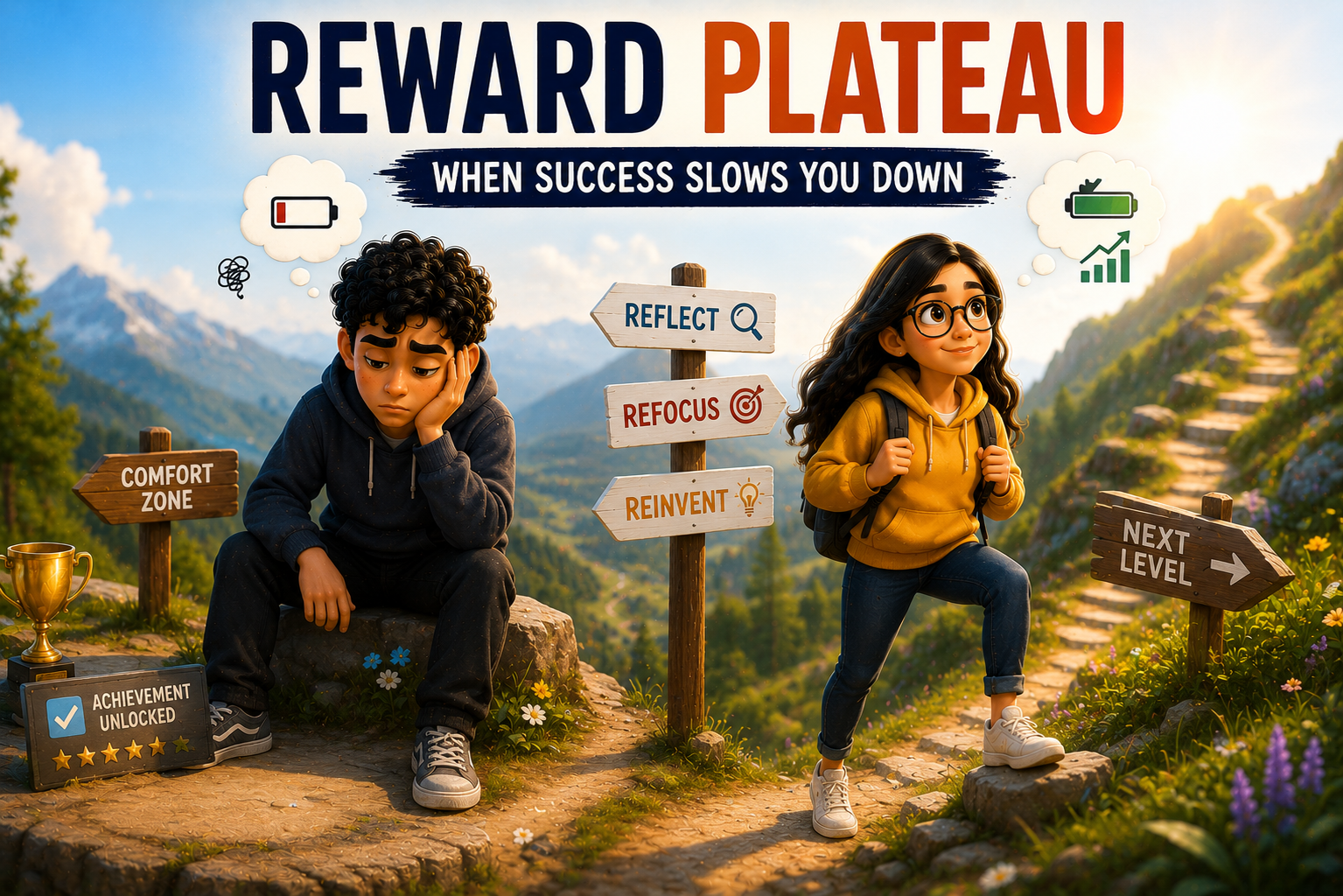
Reward Plateau — When Success Slows You Down
Have you ever stopped trying as hard after doing well at something?
Do...
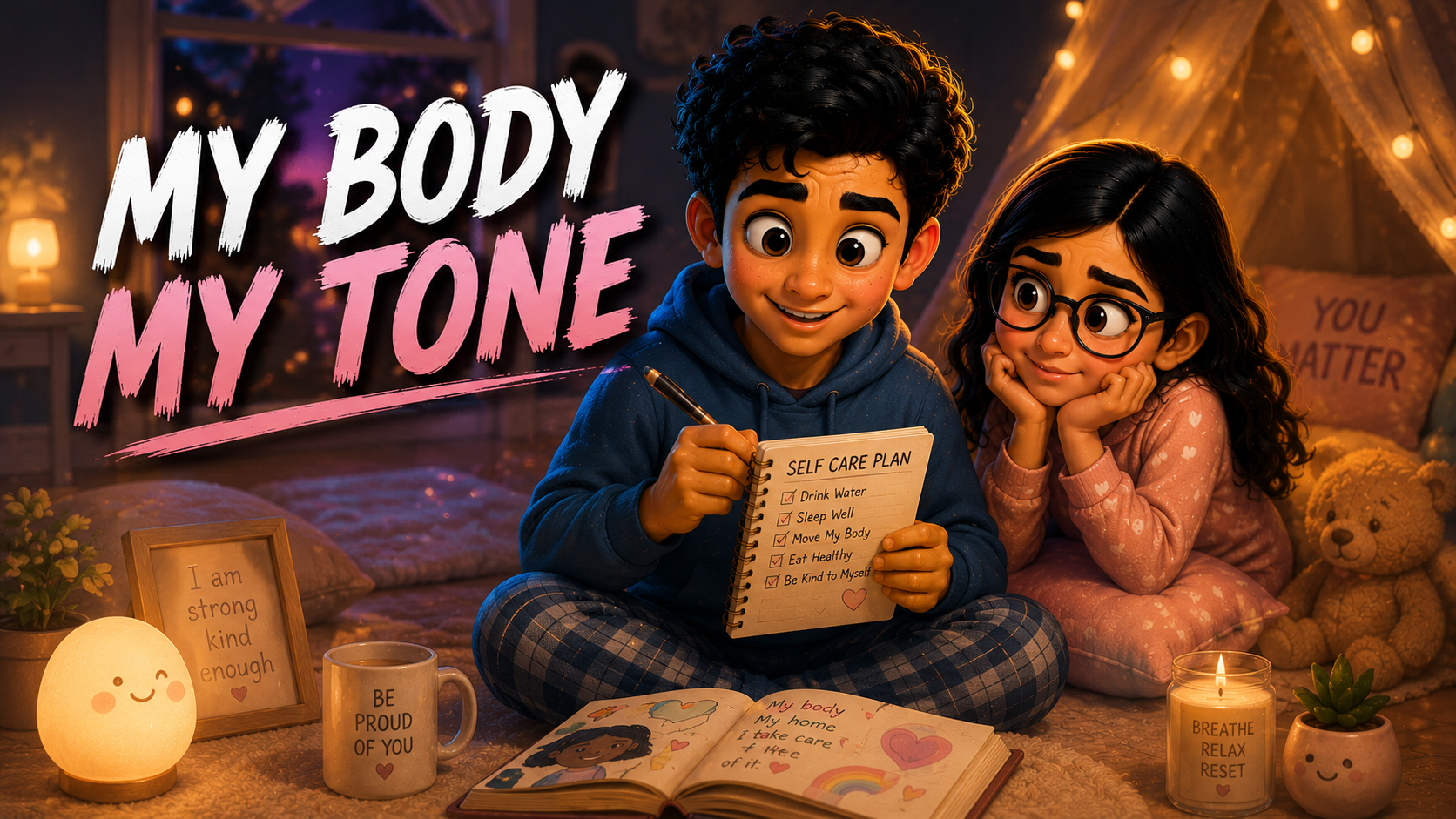
Dopamine Disruption — When Reward Systems Get Hijacked
Do you find it hard to stop playing a game or watching videos?
Do you k...
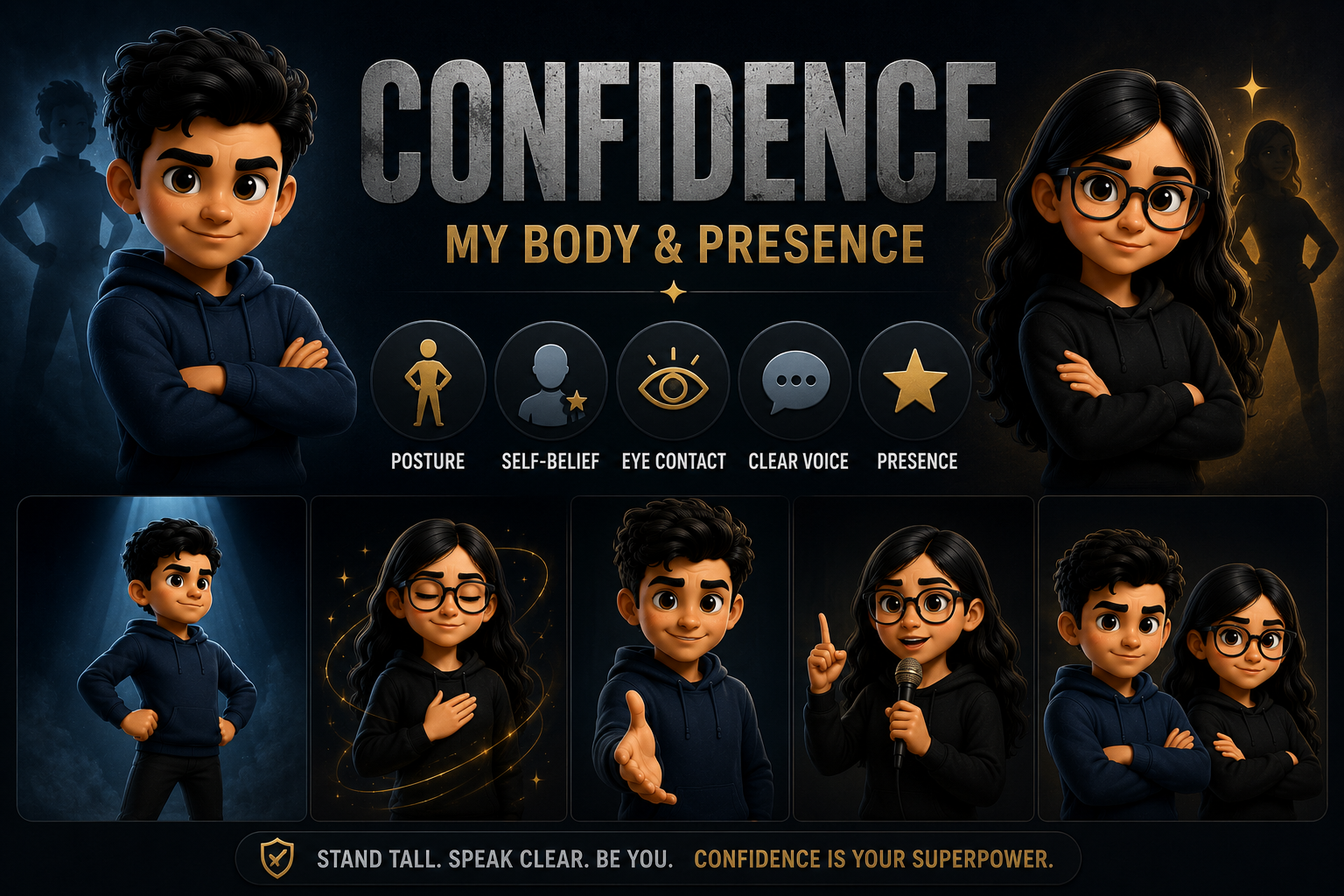
Handling Embarrassment
Have you ever made a mistake and wished you could disappear?
Do you fee...
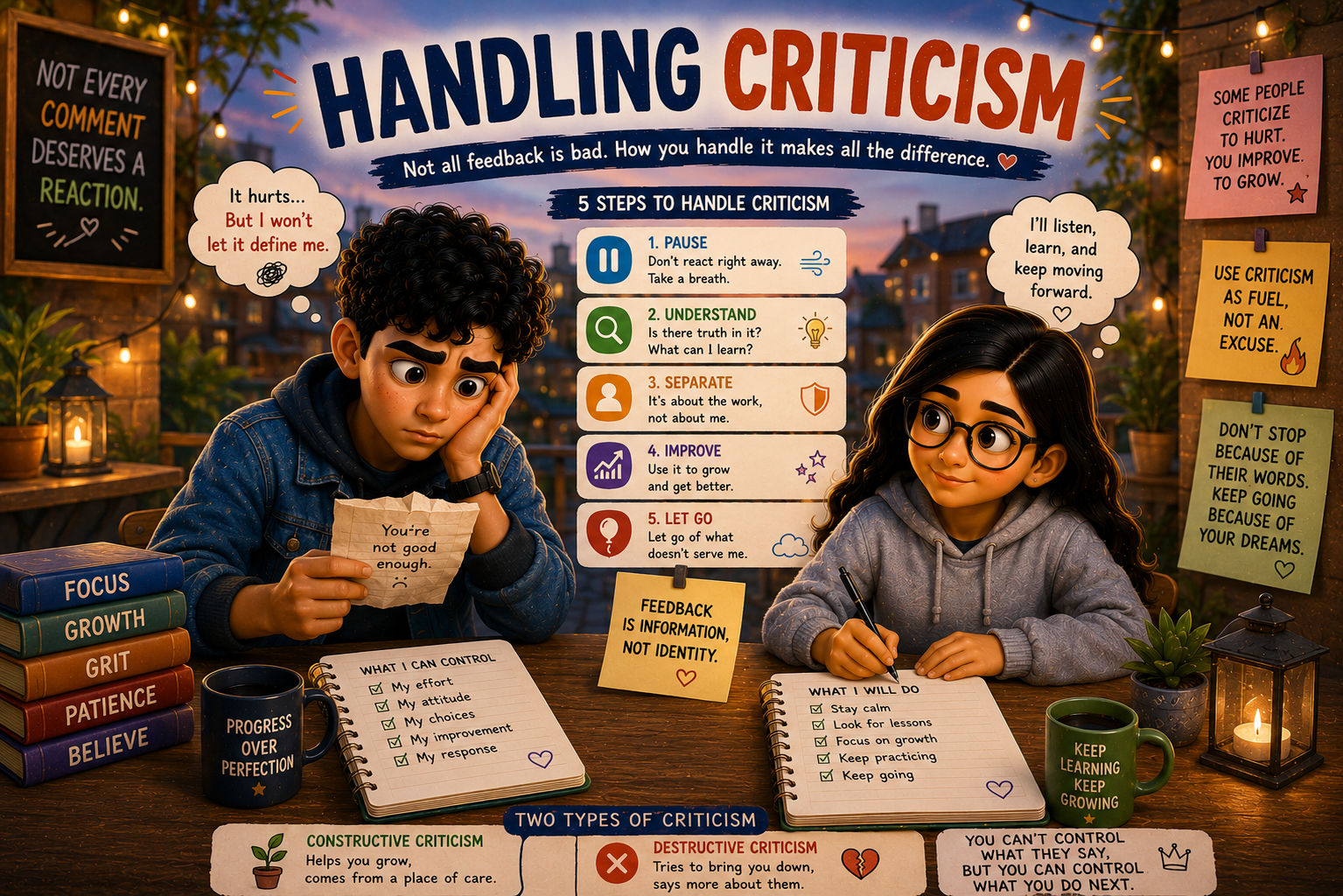
Handling Criticism
Do you feel upset when someone points out a mistake?
Have you ever stop...
Enroll in Self-Mastery & Life Economics
Get full access to live lectures, chapter notes, and expert instructors.